"Passion has overthrown tyrants and freed prisoners and slaves. Passion has brought justice where there was savagery. Passion has created freedom where there was nothing but fear. Passion has helped souls rise from the ashes of their horrible lives and build something better, stronger, more beautiful.”
Every year in the United States, Memorial Day arrives as the unofficial beginning of summer. Grills are lit, lakes fill with families, and long weekends become a time to reconnect and rest. Yet beneath the celebrations lies a far deeper meaning—one rooted in sacrifice, remembrance, and gratitude.
Memorial Day is not simply a holiday. It is a day of reflection dedicated to the men and women of the United States Armed Forces who gave their lives in service to their country.
The Meaning Behind Memorial Day
Originally known as Decoration Day, Memorial Day began after the Civil War as communities gathered to decorate the graves of fallen soldiers with flowers and flags. Over time, the observance expanded to honor all American military personnel who died in service.
Unlike Veterans Day, which honors all who served, Memorial Day specifically remembers those who never made it home.
It is a solemn reminder that freedom carries a cost paid not in dollars, but in lives, families, and futures forever changed.
More Than Numbers
Behind every military headstone is a story.
A son or daughter who never returned. A spouse who carried on alone. Children who grew up with memories instead of moments. Friends and brothers-in-arms forever marked by loss.
For many veterans and military families, Memorial Day is deeply personal. It is a day when names, faces, and memories come rushing back. The empty chair at the table becomes impossible to ignore.
The sacrifice of the fallen extends far beyond the battlefield. Their absence continues to echo through generations.
Honoring the Fallen
There are many ways to honor Memorial Day respectfully:
Visit a veterans cemetery or memorial. Fly the American flag properly. Attend a local remembrance ceremony. Take a moment of silence at 3:00 PM for the National Moment of Remembrance. Listen to the stories of veterans and Gold Star families. Teach younger generations why the holiday exists. Even a quiet moment of gratitude matters.
Memorial Day is not about glorifying war. It is about remembering the human beings who stood in harm’s way for others and never returned.
A Legacy Worth Remembering
The freedoms many Americans enjoy daily were preserved by individuals willing to sacrifice everything for something greater than themselves.
Their courage deserves more than a passing acknowledgment once a year.
It deserves remembrance.
As families gather this Memorial Day, may we pause long enough to reflect on the true meaning of the day. May we remember those who gave their lives in service, honor the families they left behind, and carry forward the responsibility of living in a way worthy of their sacrifice.
Because remembrance keeps their legacy alive.
“All gave some. Some gave all.”
To our brothers and sisters who never made it home — your watch ended, but your memory never will. You carried the weight of duty, sacrifice, and honor so others could live in freedom. Though time moves forward, your names, your laughter, and your courage remain beside us every day.
You are missed in quiet moments, remembered in every folded flag, and honored in every sunrise we still get to see.
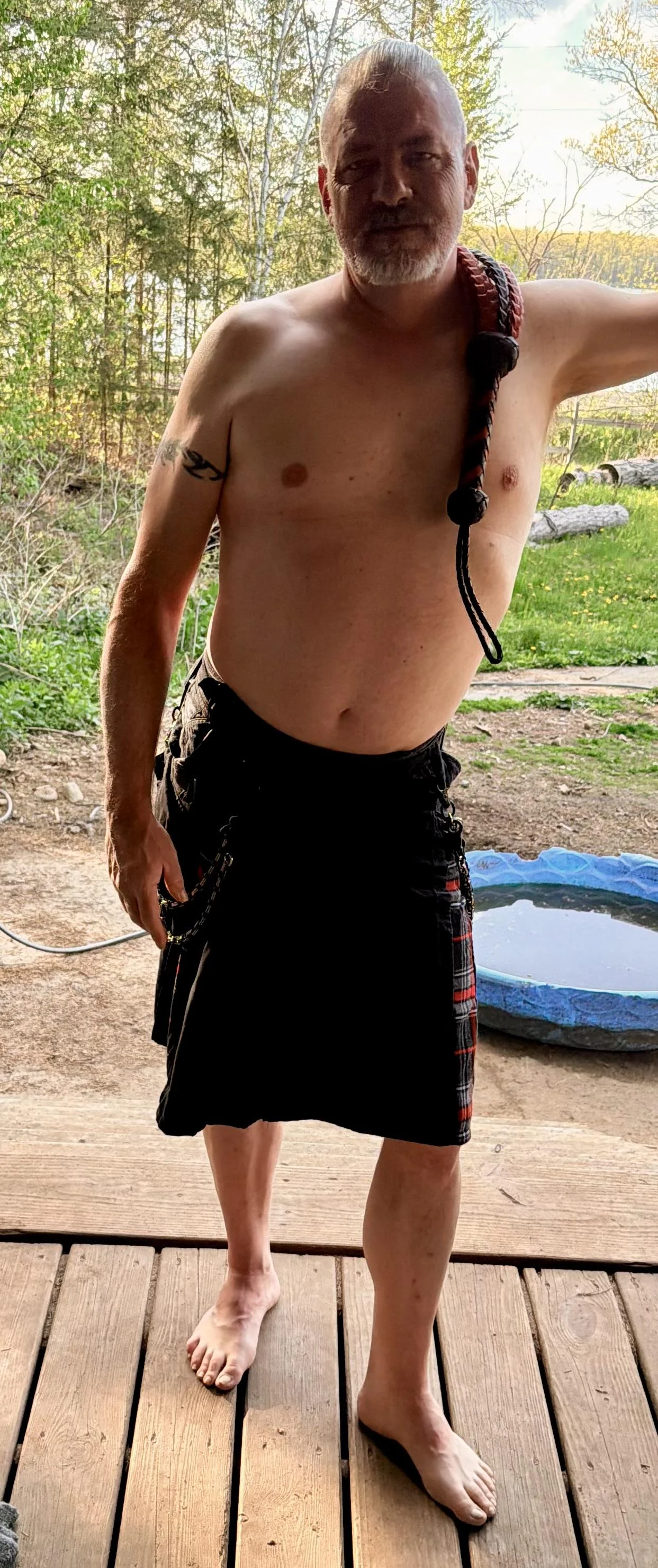
I did the best that I could today to get this in as I was in the field most of the day Discing and laying seed on the back food plot since it was a nice day out and had to get done sooner than later. I hope that you all enjoy. And no disclosures needed. 100% SFW
And this one is just so everyone knows, I wear a kilt as a true Scotsman.
I hope you all enjoyed and if you want to see more, you have to wait for the GingerSpiced Calendar to be released. 😜
When many people first hear the term BDSM, they often think of chains, restraints, dominance, submission, or intense physical play. What is frequently overlooked, however, is that healthy BDSM is not built on pain or control alone—it is built on trust, emotional intelligence, and mutual understanding.
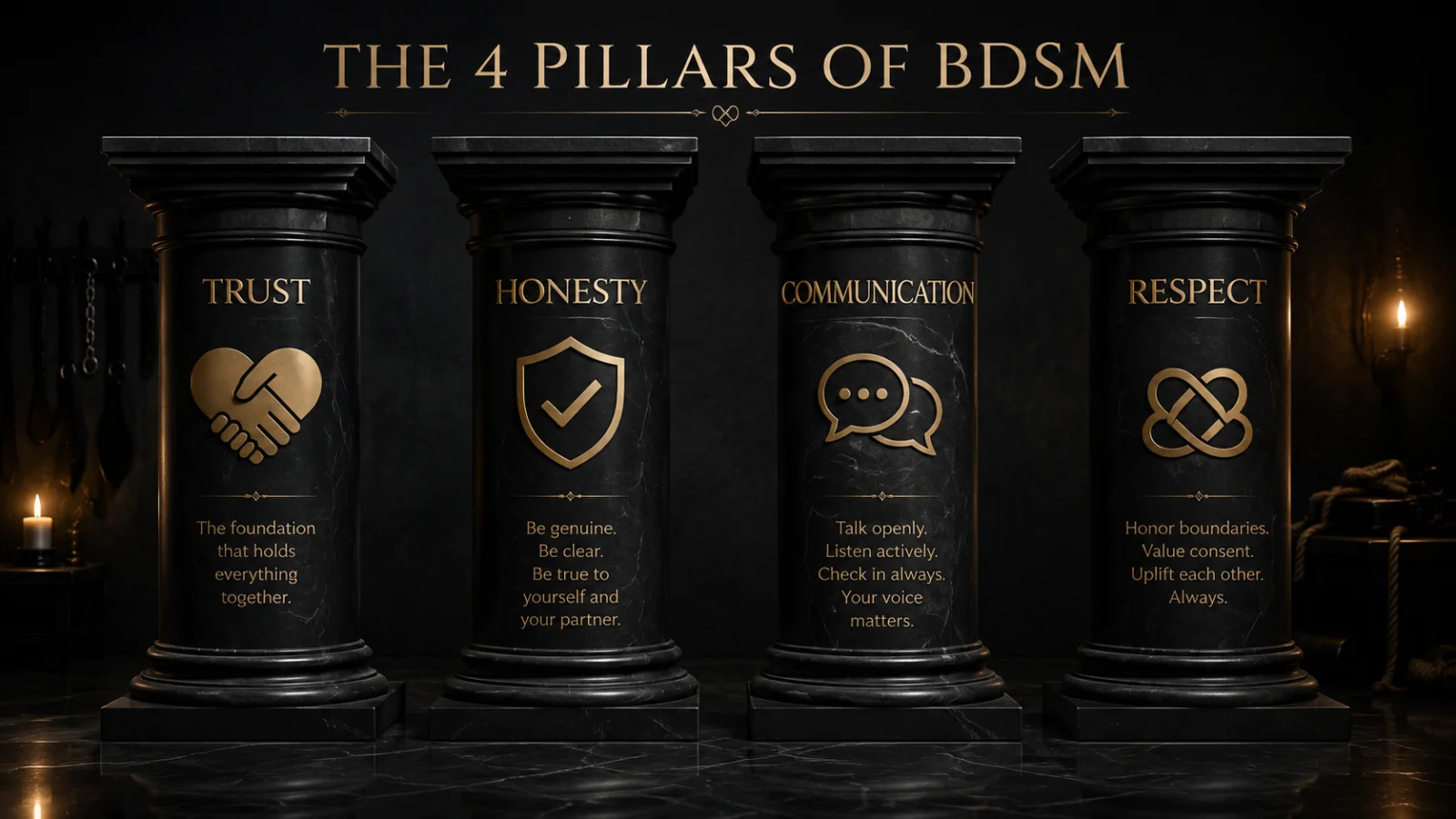
Behind every healthy dynamic are four essential principles that create the foundation for ethical and fulfilling power exchange:
Trust
Honesty
Communication
Respect
These four pillars are what separate healthy BDSM relationships from manipulation, coercion, and abuse. Whether someone is exploring BDSM for the first time or has years of experience in the lifestyle, these principles remain essential.
Trust: The Cornerstone of BDSM
Trust is the foundation upon which all BDSM dynamics are built. In BDSM, people often place themselves in vulnerable positions emotionally, mentally, and physically. A submissive trusts a Dominant to honor boundaries, prioritize safety, and exercise control responsibly. A Dominant trusts a submissive to communicate honestly, respect negotiated agreements, and engage authentically within the dynamic.
Without trust, vulnerability becomes unsafe.True trust is not created through titles or labels. It is earned through consistency, reliability, accountability, and care over time. A trustworthy partner listens, respects limits, follows through on agreements, and never weaponizes vulnerability.
Healthy trust in BDSM means:
Feeling safe expressing fears or concerns
Knowing boundaries will be respected
Believing consent will be honored immediately
Understanding that mistakes can be discussed openly
Knowing that either person can stop or renegotiate at any time
Trust should never be demanded instantly. People who pressure others for immediate submission, unquestioning obedience, or blind faith often create unhealthy and dangerous situations. Real trust grows slowly through actions—not words alone.
Honesty: The Key to Emotional Safety
Honesty is essential in every relationship, but in BDSM it becomes even more important because power exchange relies heavily on vulnerability and consent.
Partners should be honest about:
Experience levels
Intentions and expectations
Emotional needs
Limits and boundaries
Relationship status
Mental and physical health concerns
Comfort levels during play and dynamics
Dishonesty can create serious emotional and physical risks. Someone pretending to have more experience than they actually possess may place others in unsafe situations. A person hiding emotional attachments or manipulative intentions can destabilize an otherwise healthy connection.
Honesty also requires self-awareness. People enter BDSM for many different reasons: exploration, intimacy, identity, healing, excitement, or emotional connection. Understanding personal motivations can help prevent unhealthy attachment, dependency, or unrealistic expectations.
Healthy BDSM requires the ability to say:
“I’m uncomfortable.”
“I need reassurance.”
“I made a mistake.”
“I’m not ready for this.”
“I need to slow down.”
“This no longer feels healthy for me.”
Honesty creates clarity, and clarity creates safety.
Communication: The Lifeblood of BDSM
Communication is one of the most important skills in BDSM. Healthy dynamics depend on ongoing conversations before, during, and after scenes or interactions. BDSM is not based on assumptions—it is based on negotiated consent and mutual understanding.
Partners communicate about:
Hard and soft limits
Fantasies and interests
Safe words and signals
Emotional triggers
Medical concerns
Aftercare needs
Expectations within the dynamic
Boundaries surrounding authority and control
Strong communication prevents misunderstandings before they become harmful. One of the clearest differences between ethical BDSM and abuse is the presence of informed, enthusiastic, and ongoing consent. Ethical BDSM involves discussion, negotiation, and regular check-ins—not coercion or pressure.
Communication is also about listening. A healthy partner does not dismiss concerns, become defensive over boundaries, or punish honesty. Open communication requires patience, empathy, emotional maturity, and a willingness to adapt as needs evolve. Even experienced practitioners continue learning how to communicate better because relationships and dynamics naturally grow and change over time.
Respect: The Heart of Ethical Power Exchange
Respect is what keeps BDSM ethical and healthy. Power exchange may involve authority, control, discipline, or surrender, but none of those things remove the humanity, dignity, or autonomy of either partner.
Respect means:
Honoring boundaries and consent
Treating partners with dignity
Protecting emotional wellbeing
Respecting privacy and confidentiality
Accepting “no” without guilt or punishment
Recognizing that submission is given voluntarily—not owed
A Dominant who ignores boundaries or uses humiliation outside negotiated consent is not demonstrating strength or leadership—they are demonstrating disrespect. Likewise, a submissive who intentionally manipulates or disregards negotiated agreements damages the integrity of the dynamic.
Healthy BDSM relationships are often built on deep mutual admiration. Even in strict authority-based dynamics, respect remains central because ethical power exchange requires care, responsibility, and accountability from everyone involved. Respect transforms BDSM from simple control into meaningful connection.
When One Pillar Breaks
These four pillars are deeply connected. When one weakens, the others are affected as well.
Without trust, vulnerability becomes fear.
Without honesty, communication loses meaning.
Without communication, boundaries become unclear.
Without respect, power exchange becomes harmful.
This is why BDSM is about far more than scenes, equipment, or roles. At its healthiest, BDSM is built on emotional intelligence, intentional connection, and mutual care. The strongest dynamics are not defined by how much control someone has. They are defined by how well both partners uphold the four pillars: trust, honesty, communication, and respect.
Final Thoughts
The BDSM lifestyle is often misunderstood by those outside the community. Many people focus only on the outward appearance of dominance, submission, restraints, or intense scenes while overlooking the deeper emotional and psychological foundation that makes healthy BDSM possible.
At its core, ethical BDSM is built on human connection.
The strongest dynamics are not created through fear, intimidation, or blind obedience. They are created through mutual trust, honest vulnerability, open communication, and genuine respect for one another’s wellbeing.
These four pillars are not simply guidelines for beginners—they are lifelong principles that experienced practitioners continue to strengthen throughout their journey. Every healthy dynamic, whether casual or deeply committed, depends on maintaining these foundations over time.
Without them, power exchange can quickly become unhealthy or unsafe.
With them, BDSM can become a space for exploration, intimacy, personal growth, emotional connection, and profound trust between consenting adults.
No matter where someone is in their journey, the most important thing to remember is this:
Healthy BDSM is never about taking power from someone. It is about the consensual exchange of power built on trust, honesty, communication, and respect.
I wanted to get this out yesterday but, life got in my way.
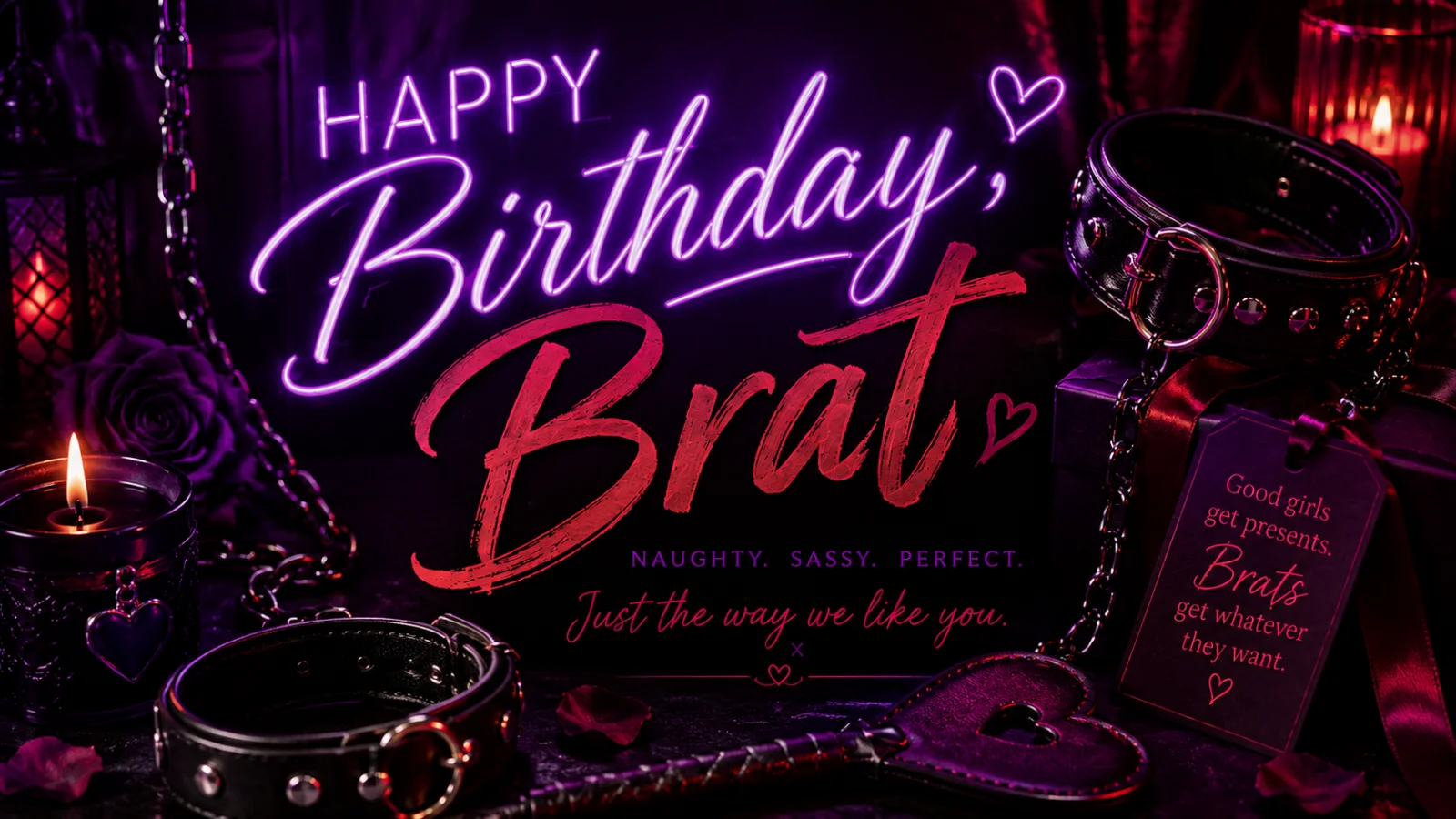
I wanted to take the opportunity to celebrate a very special "BRAT" here on the cage.
I want to send you a Very Happy Birthday even though it is belated.
I can say that it was your humor and Brattyness that saw me thorough some tough times in my journey.
You have been a friend to both Hekate and I over the years.
You have always had our interests and well being in your messages and conversations. Even when you yourself was hurting, you never failed to bring a ray of sunshine.
Yes, you are a Brat through and through. You are also raw and honest. And most of all, you are a great friend!!
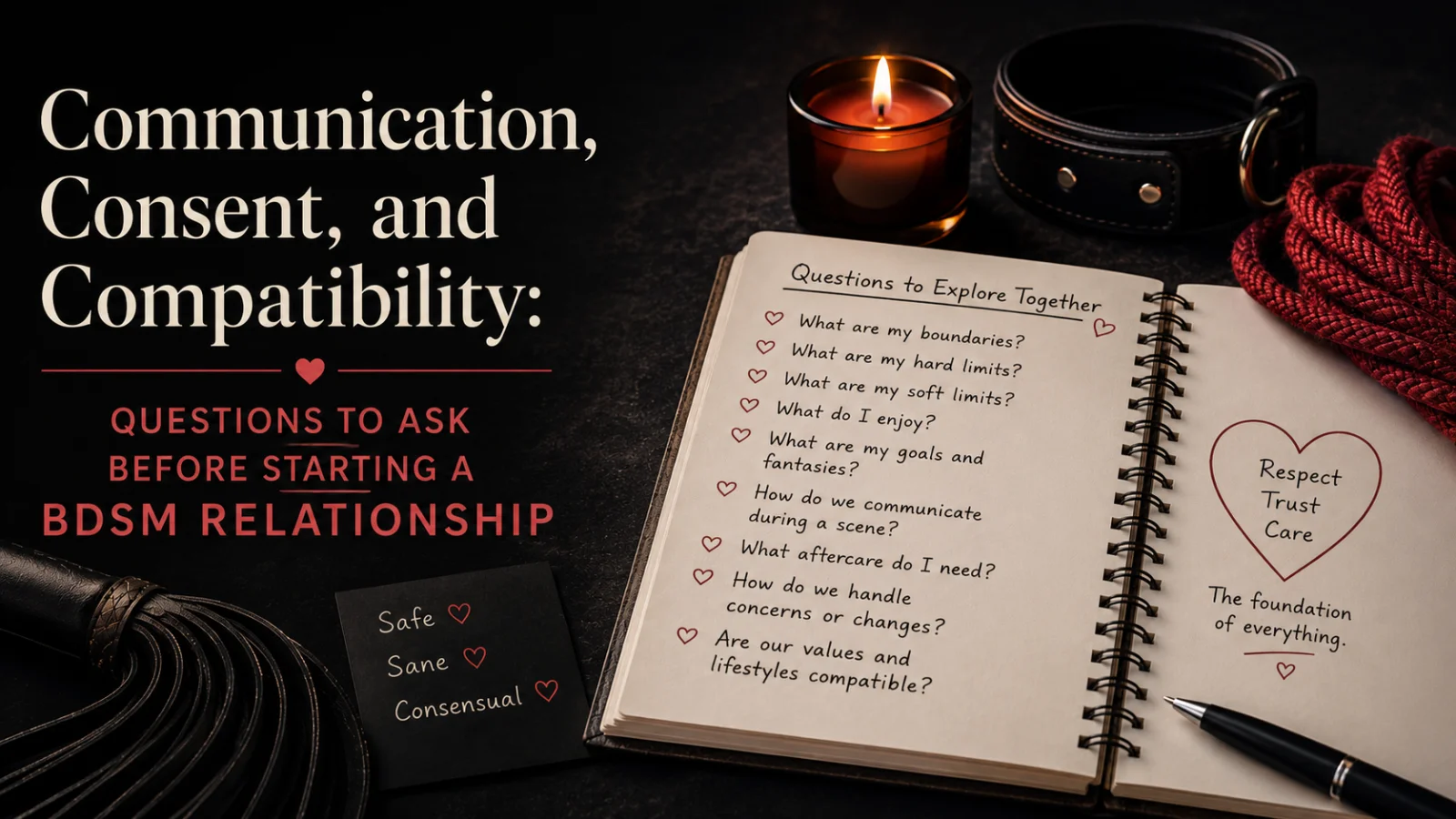
One of the most misunderstood aspects of the BDSM lifestyle is the belief that it revolves primarily around sex, pain, or control. While those elements may exist within certain dynamics, they are not the true foundation of healthy BDSM relationships. At its core, BDSM is built upon communication, consent, trust, negotiation, and mutual understanding.
Before collars, contracts, titles, scenes, or power exchange dynamics begin, there should be honest and intentional conversation. In many ways, BDSM requires stronger communication skills than conventional relationships because participants are often navigating emotional vulnerability, physical intensity, psychological intimacy, and negotiated power exchange simultaneously.
For newcomers entering the lifestyle, learning how to communicate effectively can be one of the most important safety tools available. For experienced practitioners, ongoing communication remains essential for maintaining healthy and sustainable dynamics.
This chapter explores the types of conversations and questions that should take place when beginning to talk with someone in the BDSM lifestyle and explains why these discussions are critical to emotional and physical safety.
Why Communication Matters in BDSM
Healthy BDSM relationships do not function safely through assumptions. Consent, boundaries, and expectations cannot be guessed or implied. Because BDSM may involve physical restraint, pain, humiliation, psychological roleplay, or authority exchange, misunderstandings can become harmful very quickly if communication is neglected.
Strong communication serves several purposes within BDSM relationships:
Establishing trust
Clarifying intentions
Identifying compatibility
Defining boundaries
Negotiating consent
Reducing emotional misunderstandings
Improving physical and emotional safety
Creating long-term relationship stability
Many experienced members of the BDSM community often say that BDSM begins long before any scene takes place. It begins with conversation.
Understanding a Person’s Background and Interests
When first speaking with someone in the lifestyle, one of the most important steps is understanding how they view BDSM and what role it plays in their life.
Helpful introductory questions may include:
What brought you into BDSM?
How long have you been involved in the lifestyle?
How do you identify within BDSM?
What interests you most about the lifestyle?
Are you active in the community or mostly private?
What does BDSM mean to you personally?
These questions are not designed to test someone’s experience level. Instead, they help reveal a person’s mindset, maturity, emotional awareness, and approach to power exchange.
For example, someone who discusses BDSM entirely in terms of “control” without mentioning trust, communication, or responsibility may approach the lifestyle very differently from someone who emphasizes mutual care and negotiated consent.
Understanding motivation matters because healthy BDSM is not simply about dominance or submission. It is about how those roles are practiced ethically and consensually.
Clarifying Relationship Intentions
Not everyone enters BDSM seeking the same type of connection. Some individuals are interested in casual play partnerships, while others seek deeply emotional, long-term power exchange relationships. Problems frequently arise when expectations are assumed rather than discussed openly.
Questions regarding intentions can help establish compatibility early:
What are you hoping to find right now?
Are you looking for play, friendship, mentorship, or a committed relationship?
Are you monogamous, polyamorous, or open?
Do you want the dynamic to exist only during scenes or outside the bedroom as well?
What does loyalty mean to you?
How much communication do you expect between interactions?
These conversations may feel serious early in a relationship, but they often prevent confusion and emotional conflict later. Healthy BDSM relationships require realistic expectations from both parties.
Consent and Boundary Discussions
Consent is one of the central ethical principles of BDSM. Ethical BDSM relies upon informed, voluntary, ongoing consent from all participants. A person unwilling to discuss consent openly should be approached with caution.
Important consent-related discussions include:
Hard limits
Soft limits
Safewords
Medical considerations
Emotional triggers
Aftercare needs
Sexual health discussions
Scene negotiation practices
Specific questions may include:
What are your hard limits?
What are your soft limits?
What safewords do you use?
How do you handle check-ins during scenes?
What does aftercare look like for you?
How do you negotiate scenes beforehand?
Are you comfortable discussing STI testing and sexual health?
How do you handle mistakes or accidents?
Consent within BDSM is not a one-time agreement. Consent can be withdrawn at any time, and boundaries may evolve as trust develops. Healthy communication surrounding consent is not a sign of distrust. It is a sign of responsibility.
Experience Does Not Automatically Equal Safety
Many newcomers assume that years of experience automatically make someone trustworthy or skilled. Unfortunately, this is not always true. Some individuals may have extensive time in the lifestyle but poor communication skills, unsafe practices, or manipulative tendencies. Others may be relatively new while still demonstrating caution, humility, education, and respect.
Questions about education and safety awareness can provide valuable insight:
What kinds of play do you have experience with?
What are you still learning about?
How do you educate yourself about BDSM safety?
Have you attended classes, workshops, or community events?
What safety precautions do you follow during scenes?
A willingness to continue learning is often one of the strongest indicators of maturity within the lifestyle.
Emotional Compatibility and Psychological Safety
BDSM dynamics often create emotional intensity and vulnerability. Because of this, emotional compatibility may be just as important as physical compatibility.
Conversations about emotional needs can help both individuals understand each other more clearly:
What helps you feel safe with someone?
What are your emotional triggers?
How do you handle conflict or misunderstandings?
What does trust look like to you?
What kind of reassurance do you need?
How do you communicate discomfort or uncertainty?
These discussions can help identify communication styles, attachment patterns, emotional expectations, and potential incompatibilities before deeper dynamics develop. Healthy BDSM relationships should create emotional safety, not emotional instability.
Questions for Dominants
Ethical dominance involves far more than authority or control. Responsible Dominants understand that leadership within BDSM carries significant responsibility.
Important questions for Dominants include:
How do you define leadership within a dynamic?
How do you earn trust from a submissive?
How do you respond when someone says “no”?
What responsibilities do you believe Dominants have?
How do you distinguish discipline from abuse?
How important is communication outside scenes?
Healthy Dominants understand that power within BDSM is consensually given, not forcibly taken.
Questions for Submissives
Submission also requires communication, self-awareness, and clearly defined boundaries. Healthy submission is not weakness, helplessness, or the absence of autonomy.
Important questions for submissives include:
What helps you submit to someone?
What type of Dominant energy works best for you?
What boundaries around control are important to you?
What does healthy submission mean to you?
How do you communicate discomfort or hesitation?
What causes you to lose trust quickly?
These discussions help create a healthier understanding of compatibility and expectations within the power exchange.
Recognizing Red Flags
Certain behaviors may indicate that a person is unsafe, manipulative, or emotionally unhealthy within BDSM relationships.
Potential warning signs include:
Refusing to discuss consent or boundaries
Saying safewords are unnecessary
Pressuring for immediate ownership or commitment
Attempting to rush scenes or emotional attachment
Treating limits as disrespect
Using BDSM language to justify cruelty or manipulation
Isolating someone from friends or community support
Becoming defensive or angry when questioned
Healthy BDSM should never rely upon coercion, fear, intimidation, or emotional manipulation.
Recognizing Green Flags
Healthy individuals within the BDSM community often demonstrate:
Respect for boundaries
Patience with trust-building
Open communication
Accountability for mistakes
Interest in continued education
Emotional maturity
Respect for consent at all times
Care for emotional safety as well as physical safety
In many ways, healthy BDSM relationships require stronger communication and accountability than many conventional relationships.
Final Thoughts
The beginning of a BDSM relationship should not feel rushed or secretive. Trust requires time, communication, and consistency.
Asking thoughtful questions is not about destroying spontaneity or romance. Instead, these conversations help create safety, compatibility, and mutual understanding. They allow individuals to determine whether a relationship has the potential to become healthy, ethical, and sustainable.
Strong BDSM dynamics are not built solely upon attraction or fantasy. They are built through honesty, communication, trust, consent, and respect.
Before any power exchange can safely occur, there must first be understanding.
a fundamental Greek term for passionate love and desire, appears in literature as both a primordial force of creation and a mischievous god of sexual attraction. As a divine figure, he is depicted as a winged, youthful archer (son of Aphrodite and Ares), often embodying the irresistible, sometimes destructive power of love.
The Concept: In ancient Greek philosophy (particularly by Plato), Eros refers to passionate, sensual love and the deep creative and fundamental impulse to seek connection and beauty.
Thank you SBD for this challenge!! And you want to know a dark romance song of how we are in the sack? VERY SPICY!! I love it!!
There are so many to choose from as of recent. But, being me and knowing who I am, I think that the song I chose hits your requirements. I am interested to see what others post. Let us see what brings out the Passions, Desires, and Mischievousness in the songs you choose. What song most brings out the ‘Eros’ in you?
Sticking with Ash Reed, this one is more "In The Sack".
🔥 EXTREMELY SPICY SONGS DISCLAIMER 🔥
Warning: The following songs contains hazardous levels of temptation, dirty thoughts, and enough tension to fog up windows from three rooms away.
Do not operate heavy machinery, text your ex, or make prolonged eye contact while listening. Headphones are strongly recommended unless you’re prepared to explain yourself to everyone within hearing distance.
Possible side effects include:
*Smirking for no reason
*Having to remove panties due to moisture problems when seated
*Lip biting
*Sudden confidence boosts
*Dancing that violates several workplace policies
*Looking way too good in dim lighting
*Becoming a problem on purpose
If your heartbeat exceeds safe limits… replay the songs immediately. 😈
How to Spot Fakes and Predators in the BDSM Lifestyle
One of the hardest lessons many people learn entering the BDSM lifestyle is that not everyone who calls themselves a “Dom,” “Master,” “Daddy,” “Mommy,” or “experienced kinkster” is safe, ethical, or even legitimate. Some are simply inexperienced. Others are manipulative, abusive, or actively hunting for vulnerable people. BDSM is built on trust, consent, communication, and mutual respect. Predators often imitate the language of BDSM while violating every principle behind it. Learning to spot the difference can protect your physical safety, emotional wellbeing, relationships, and reputation.
The Biggest Red Flag: Rushing. Healthy BDSM relationships develop over time. Predators rush.
They may:
Push for immediate submission
Demand exclusive attention early
Pressure you into scenes before trust is built
Claim “real submissives obey immediately”
Push emotional intimacy too quickly
Try isolating you from friends or the community
A safe Dominant understands that trust is earned, not demanded.
If someone seems offended that you want time, discussion, negotiation, references, or boundaries, that alone is a warning sign. “I’m a Dom, So You Must Obey Me”, No!!
Authority in BDSM is consensual and negotiated. A Dominant only has the authority that a submissive willingly grants. Predators often misuse BDSM terminology to excuse controlling or abusive behavior.
Examples include:
“A true submissive doesn’t question.”
“Your limits are just fear.”
“You need to prove yourself.”
“Safewords are for beginners.”
“If you trusted me, you’d do it.”
“I know what’s best for you.”
Healthy Dominants encourage communication and questions. Unsafe people punish them.
They Ignore or Minimize Consent. Consent is the foundation of BDSM.
Someone who:
pressures
manipulates
guilts
intoxicates
coerces
threatens abandonment
or refuses to accept “no” Is not practicing BDSM. They are engaging in abusive behavior.
Consent must be:
informed
specific
ongoing
enthusiastic
reversible
Anyone who becomes angry when you revoke consent is dangerous.
They Have No Interest in Negotiation
Ethical BDSM usually involves discussion before play:
limits
triggers
medical concerns
experience levels
aftercare
risks
expectations
safewords
Predators often avoid these conversations because negotiation creates accountability.
Be cautious if someone says:
“We’ll just vibe.”
“I don’t do safewords.”
“I can read people naturally.”
“You don’t need to know all that.”
“Just trust me.”
Trust without communication is not BDSM. It is blind risk.
They Use Experience or Status as a Weapon
Some people hide behind:
years in the lifestyle
titles
social status
event leadership
large followings
popularity
Predators often rely on reputation to silence concerns.
Statements like:
“Everyone knows me.”
“I’ve trained hundreds of submissives.”
“You’ll ruin my reputation.”
“Nobody else has complained.”
“You’re just inexperienced.”
Are manipulation tactics when used to dismiss concerns or avoid accountability. Community status does not equal safety.
They Target Newcomers Exclusively!!
Many predators specifically seek out:
young adults
emotionally vulnerable people
trauma survivors
isolated individuals
or brand-new kinksters
Why? Because inexperienced people may not recognize unhealthy dynamics yet.
Be cautious of anyone who:
only pursues newcomers
discourages you from talking to others
mocks community education
or tells you “the community is toxic, only trust me.”
Safe people usually encourage education and support systems.
They Avoid Public Community Spaces
Not everyone attends events, and privacy is valid.
However, someone who:
refuses verification
avoids all public interaction
has no references
constantly changes names
has repeated whispers surrounding them
deserves caution. Local BDSM communities often quietly track unsafe behavior long before formal accusations surface. That does not mean rumors are always true. It does mean patterns matter.
They Push Extreme Activities Too Soon
Risk-aware BDSM requires education and experience.
Be extremely cautious if someone quickly pushes:
breath play
knife play
blood play
CNC
isolation
total power exchange
financial control
24/7 ownership
permanent marks
without substantial trust and discussion. Ethical Dominants prioritize safety before intensity. Predators prioritize access and control.
They Don’t Care About Aftercare
Aftercare is not weakness. It is responsibility.
Someone who:
disappears immediately after scenes,
mocks emotional reactions,
blames you for subdrop,
or treats you like an object afterward
may not care about your wellbeing. Even casual play should involve basic concern, check-ins, and respect.
Healthy BDSM Feels Safe, Even When Intense
Good BDSM can involve pain, power exchange, vulnerability, restraint, fear play, humiliation, or emotional intensity — but underneath it should still feel fundamentally safe and consensual.
You should feel:
heard,
respected,
informed,
able to say no,
able to stop,
and free to leave.
Fear of punishment for having boundaries is not BDSM. It is control.
Ways to Protect Yourself
Educate Yourself First
Read books, attend classes, join discussions, and learn terminology before jumping into dynamics.
Meet in Public First
Especially with new people.
Tell Someone Where You’re Going
Use safety check-ins when meeting privately.
Use Safewords. And respect them completely.
Trust Your Gut. If something feels off, pay attention.
Talk to Other Community Members. Quietly ask around when appropriate.
Start Slowly. There is no prize for rushing.
Maintain Outside Support Systems. Predators thrive in isolation.
Final Thoughts
The BDSM lifestyle contains some of the most caring, communicative, emotionally intelligent people you will ever meet. It also contains manipulators who use the language of dominance, submission, spirituality, healing, or “authenticity” to exploit others. The safest people in BDSM are usually not the loudest, most arrogant, or most demanding.
They are often the people who:
communicate clearly
respect limits
value consent
encourage education
accept accountability
make you feel safer — not smaller.
In BDSM, trust should be earned slowly, never forced quickly.
So I had an interesting interaction today with someone new here. I was just doing the usual and checking out the blogs when I came across a blog from a newer person. (No Names Given)
I did my usual thing and read it and then also read the profile. This left me with many questions so I reached out to the person and asked some clarification questions on their post.
To clarify, this person used "I Want" more times then i care to mention. Both the post and the profile were all about them and what they wanted. So I asked them. politely, what they brought to the table? I also asked a few other questions with respect to what they knew about the lifestyle and so on.
Instead of answering the questions, this person stonewalled me. They wouldn't give a straight answer or answer at all.
Instead they came at me with this fake spiritual crap like they were some type of mystic or guru.
I asked them about a specific word that they are throwing around and they couldn't give me a proper answer on that either. This word I happen to know very well by the way.
Instead, they just carried on and stonewalled me without any clarification on anything. It was like talking to a bot, and not an intelligent one at that.
This person is obviously new but has it in their head that they are a certain type that doesn't need to answer any ones questions. And my questions were legit.
I warned them that in our Lifestyle, we can smell an insta or wnnabe from a mile away.
Yes, me being me, I called him out on his own post.
The moral of this is to be carful when you are reading stuff and when the conversation in the post and/or profile is all about "I Want" This should be a red flag. The bigger issue is when you are asking questions and they stonewall you or do not give direct answers. That is when you should turn and run.
I am not saying this to those of us that have been here for a while and know the games these people play. This is for those that are newer and happen to run across my blog and read it.
Ask questions and get answers. If they don't want to answer, you should walk away immediately.
And what I mean is directly answering your questions with no BS attached.
As for the person I spoke to, they blocked me, deleted the post, scrubbed my comments, reposted, and then wrote another post lying about what happened. How do I know.....
A Little Birdie told Me.
We are community and we do watch out for one another.
To you insta's and wannabe's. I will say this once more. We can smell your BS from a mile away and we will call you out.
To those of you that are new - Be you. Know that you don't know and don't try to pretend. All of us started out not knowing shit. And that is okay.
Until next time, here is a new artist i was introduced to. 🔥🔥🔥
O beg your fucking pardon? If a D type ever says that to you, turn and run as fast as you can in the other direction. It is far from “easy” if you are doing it 24/7.
There are so many things that you are overseeing on a daily basis as a 24/7 Dom, that if you are not keeping it written down, you will end up falling short of responsibilities and expectations. (Trust me, I know)
Then there is looking after the well being of your sub(s).
Then there is making sure the you are doing self care.
Then there is the day to day living things like work pressures and maintaining home stuff and etc….
So excuse me when I say “Fuck off” when you tell me being a Dom is easy.
That means 1 of 2 things to me. Either you are not a 24/7 or you are just a wanna be that watched 50 Shades to many times.
Now with that being said, I wouldn’t change a thing. It is who I am.
I can’t separate it out of me. (I know because I tried). In some of us, we are just naturally drawn to being a Dom and it runs through or veins.
No matter how difficult, we push forward because we can not “not be”.
It is just like when a sub says that they are submissive in nature, so am I Dominant by nature.
Take this writing as you will. But do not ever tell me that it is easy, or should be easy.
Not when I live it 24/7.
Here is on for our Favorite Crowd, The Insta's and Wannabes.